

Elia Castino Silvan and the Cave May 10 – June 20, 2026
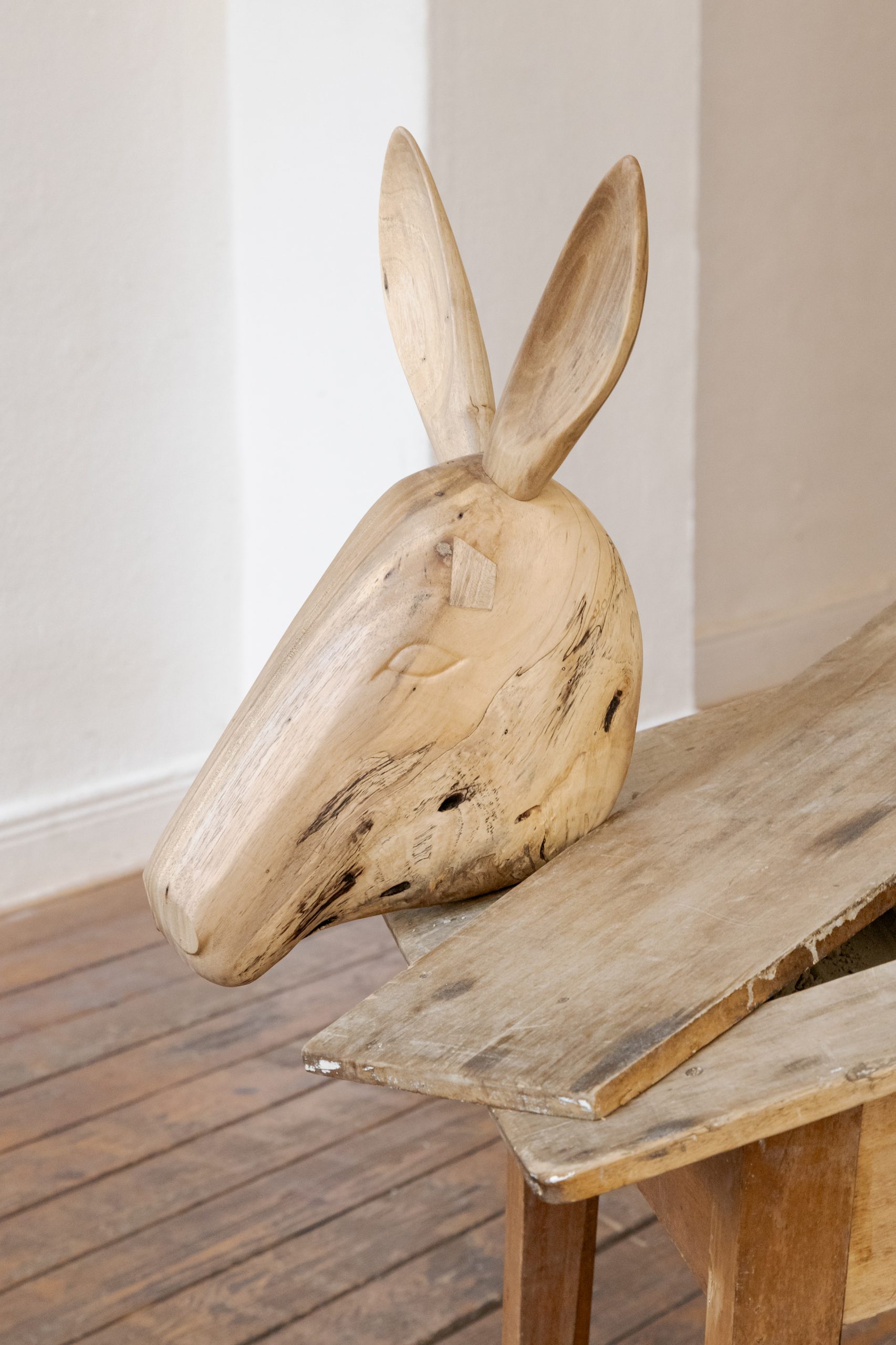
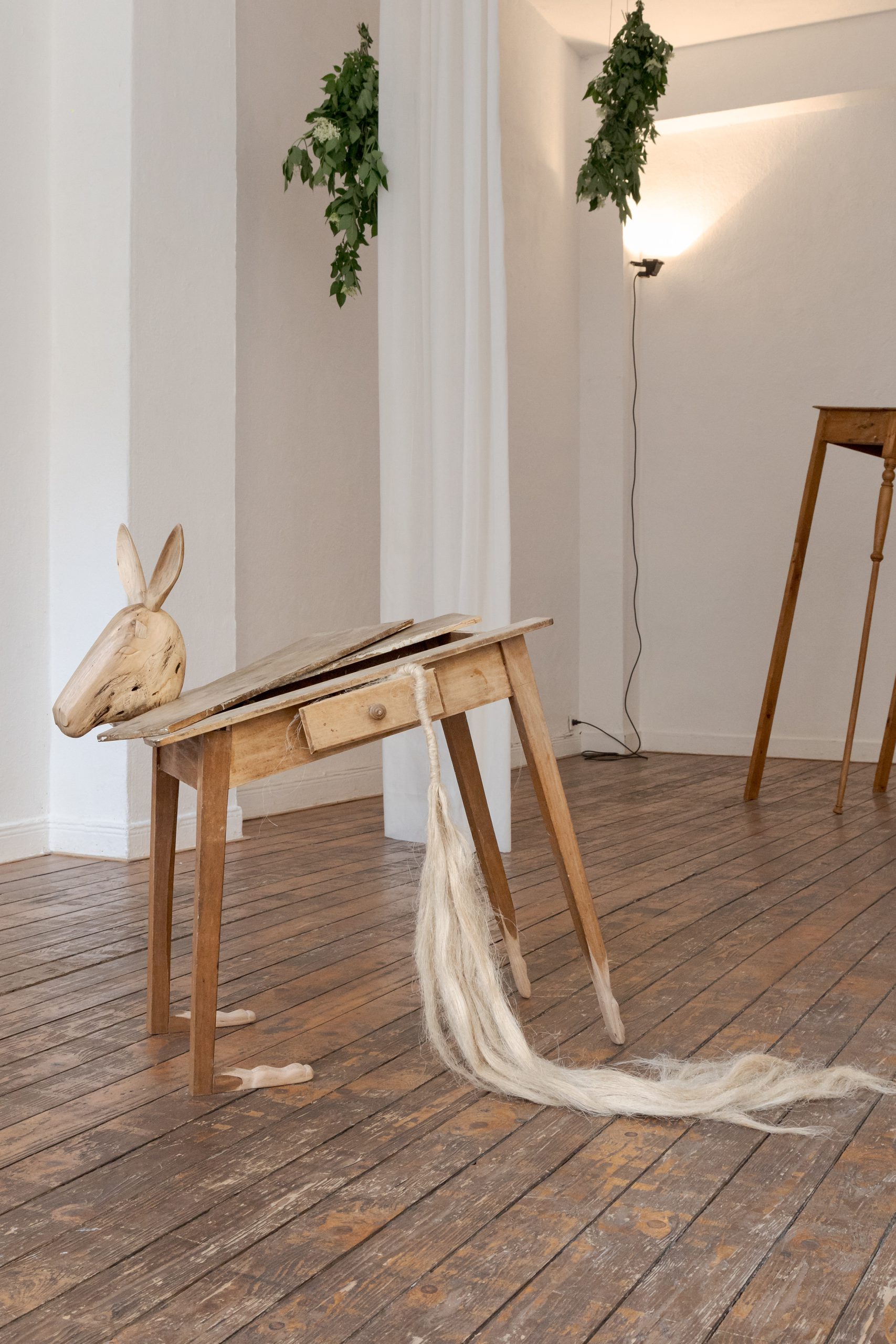
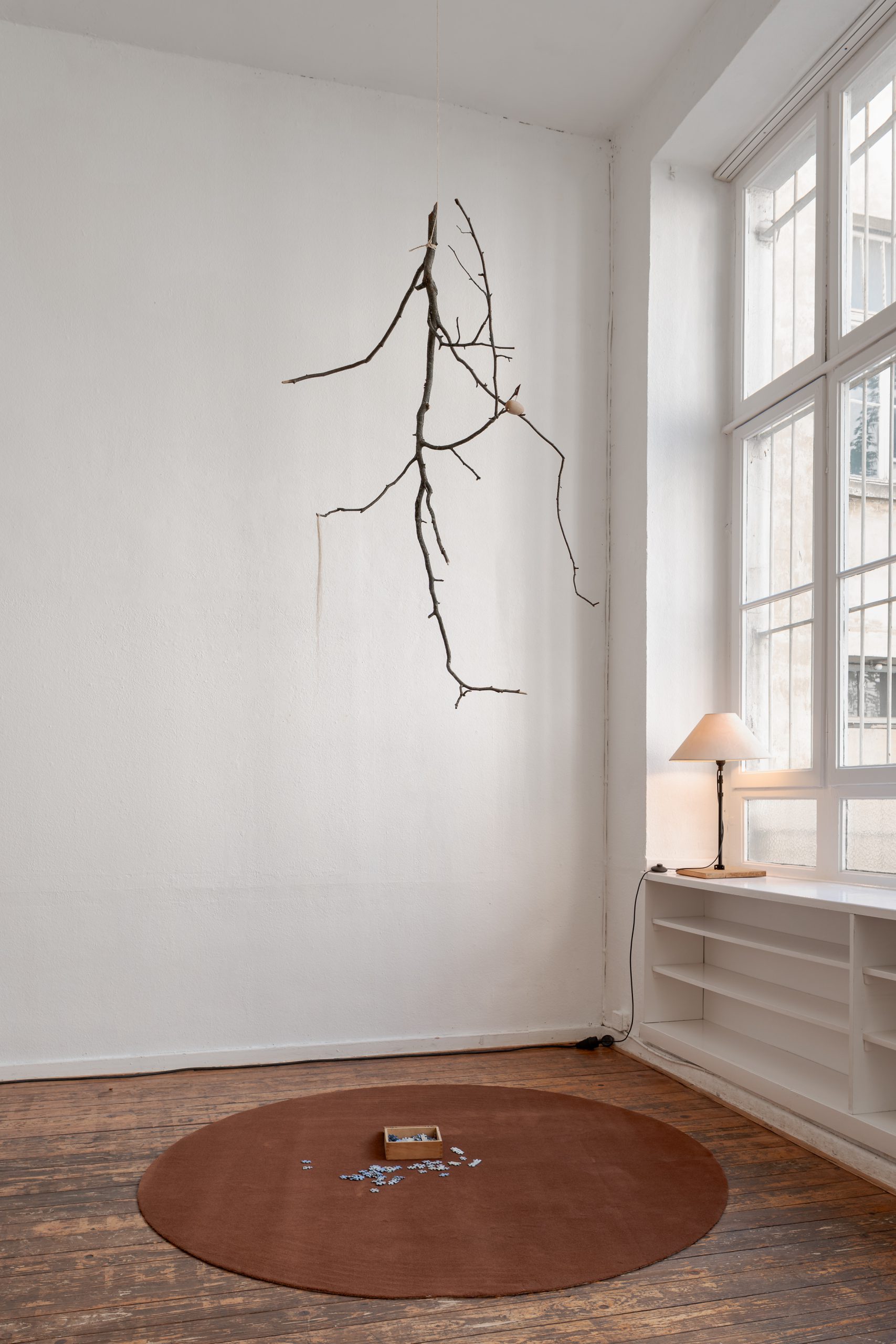
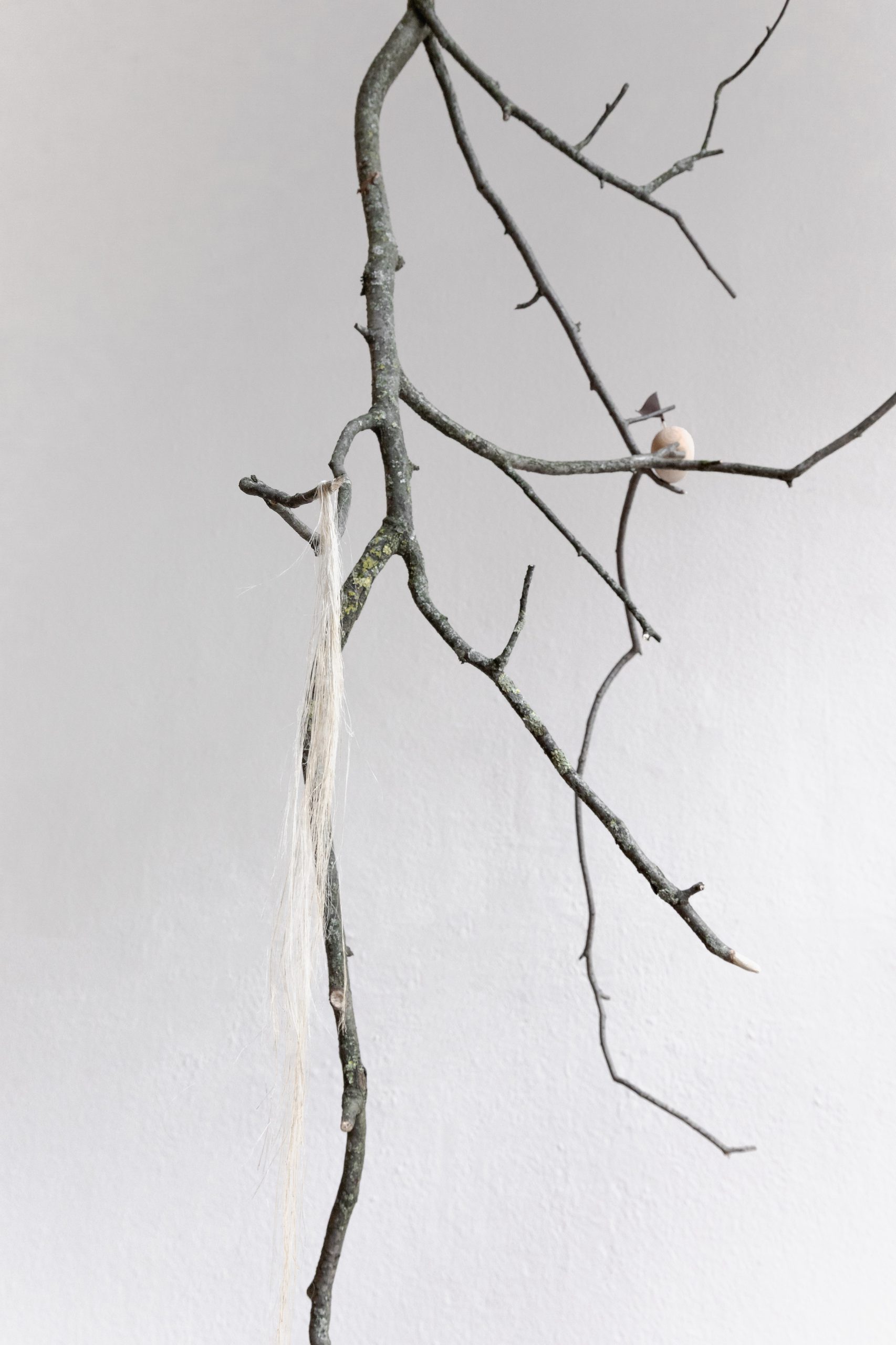
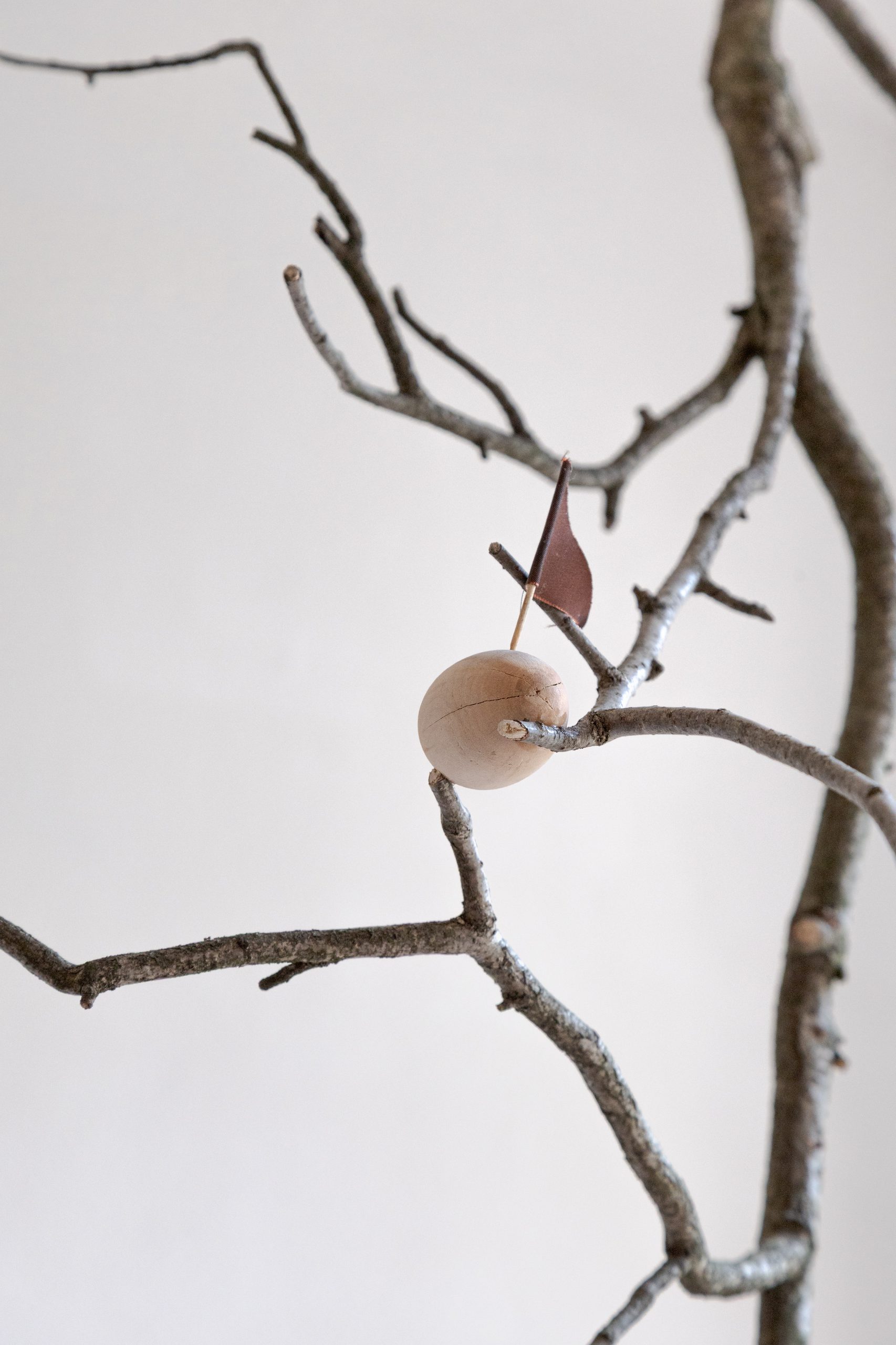

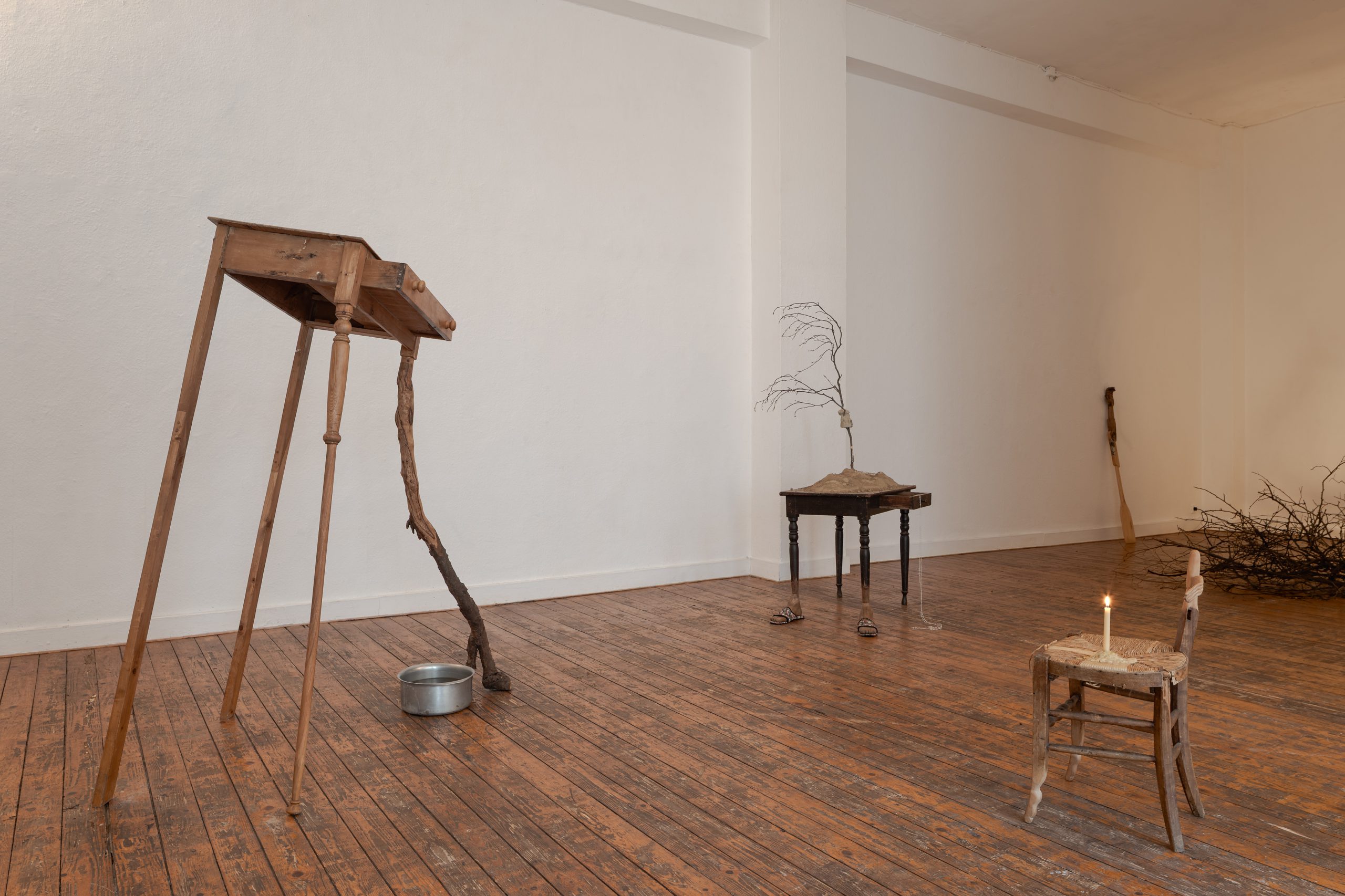
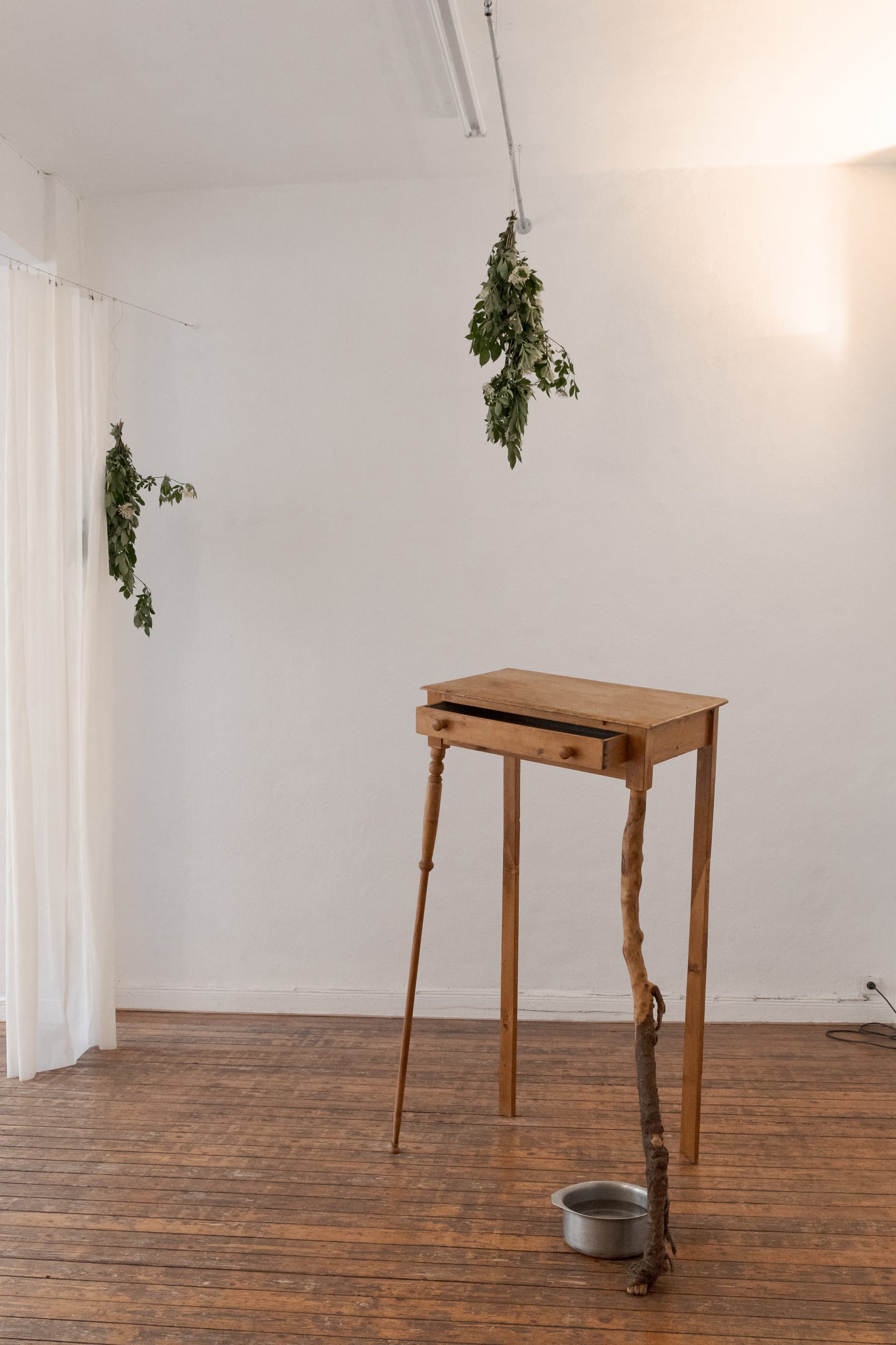
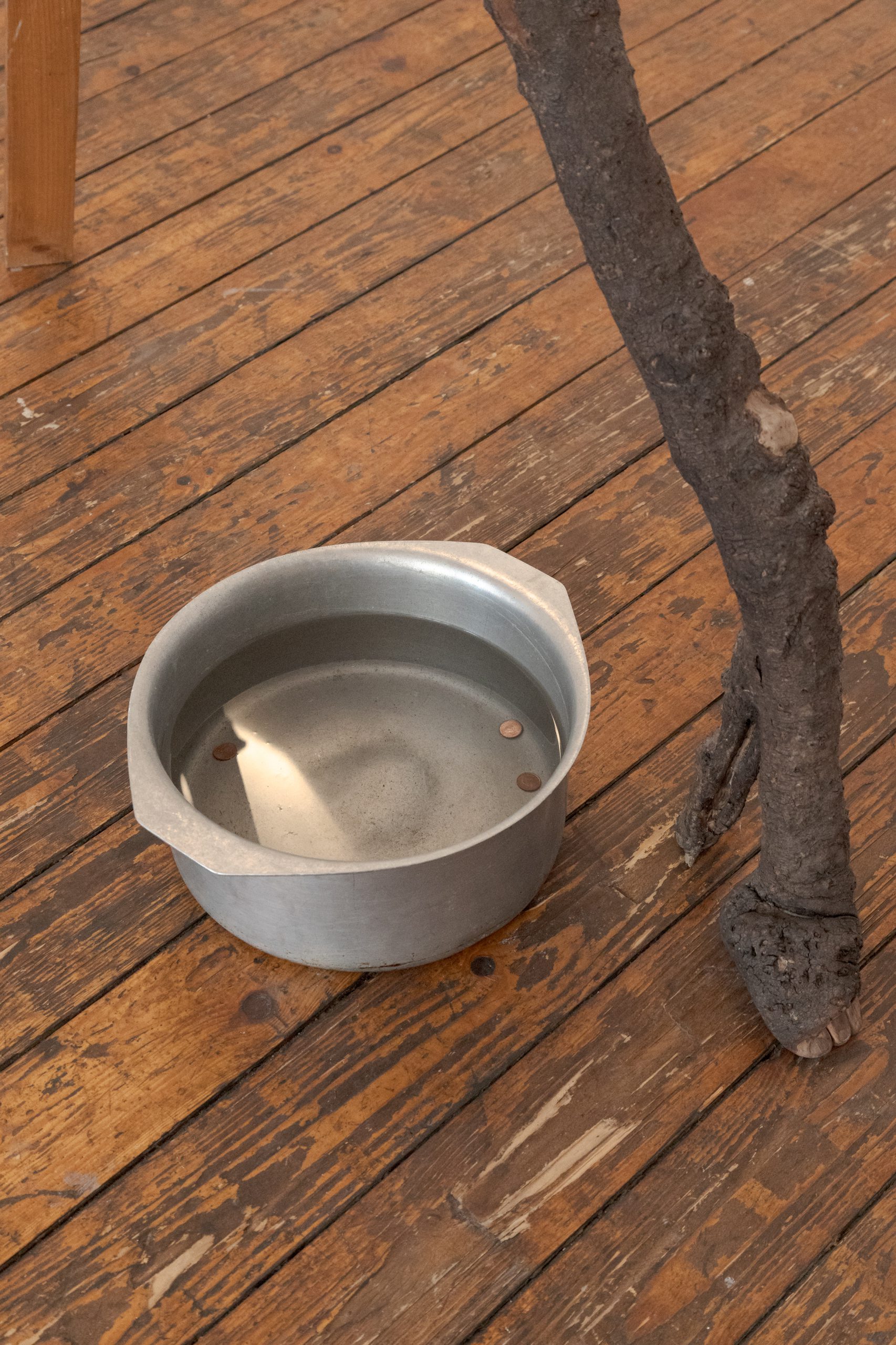
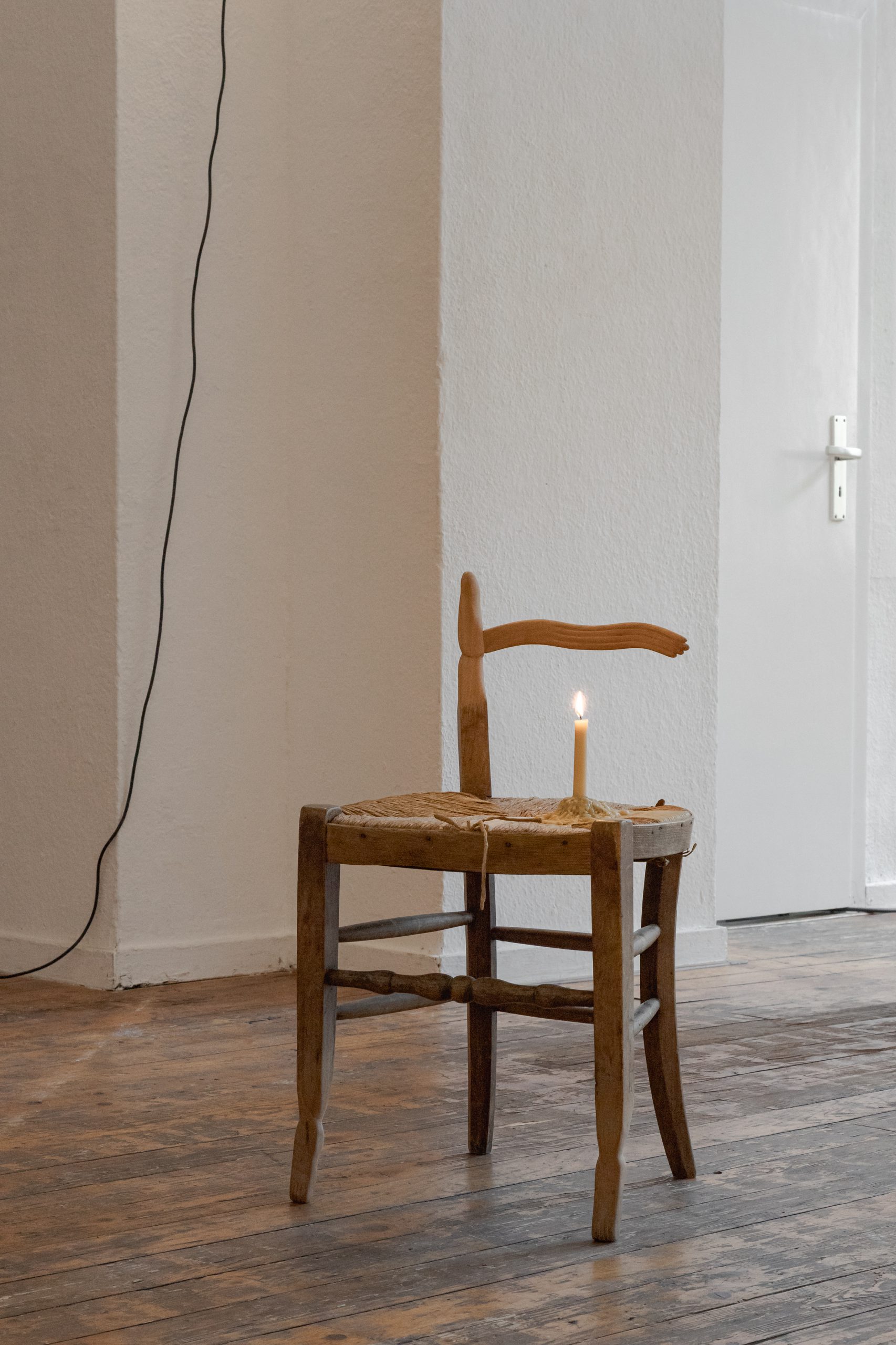
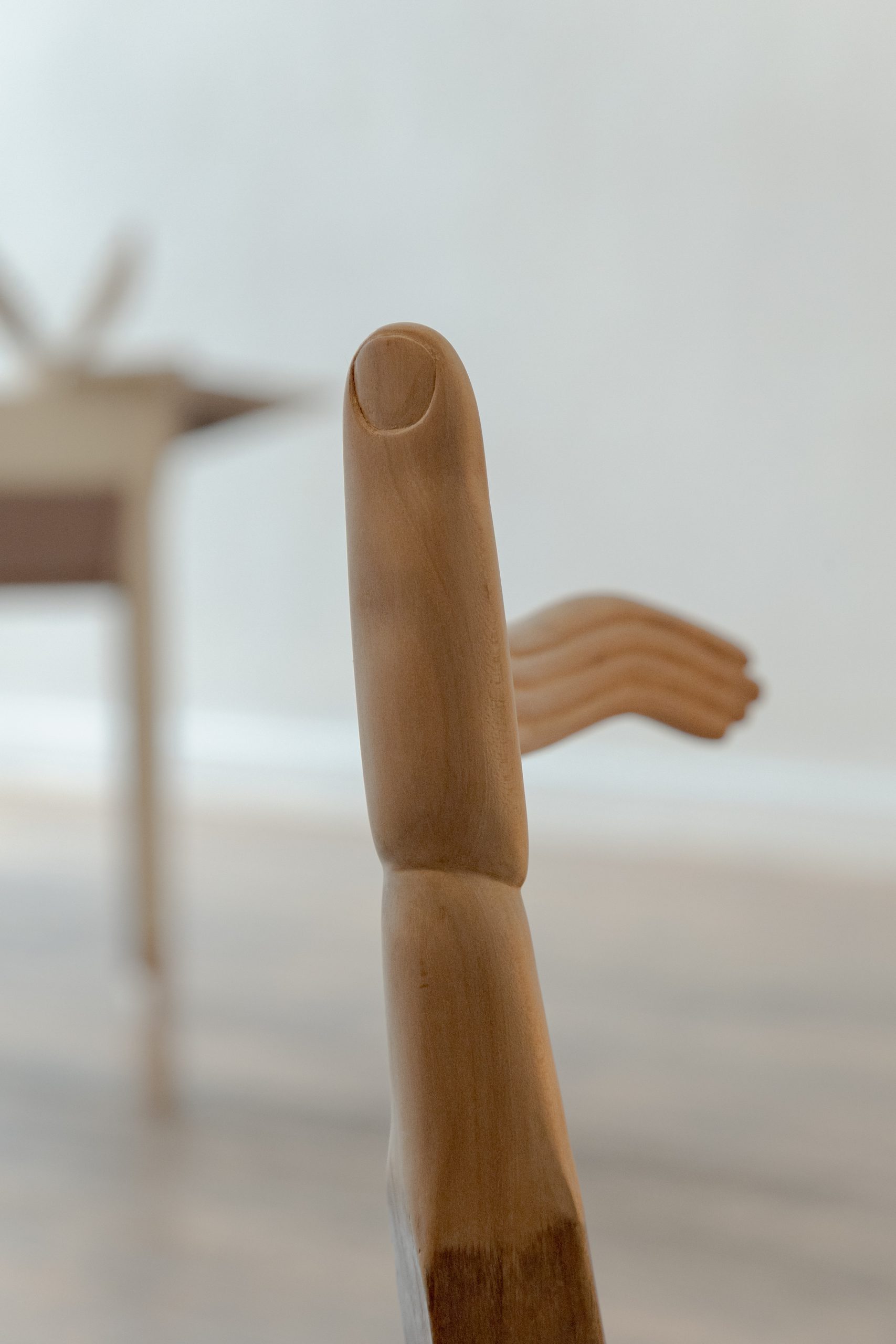
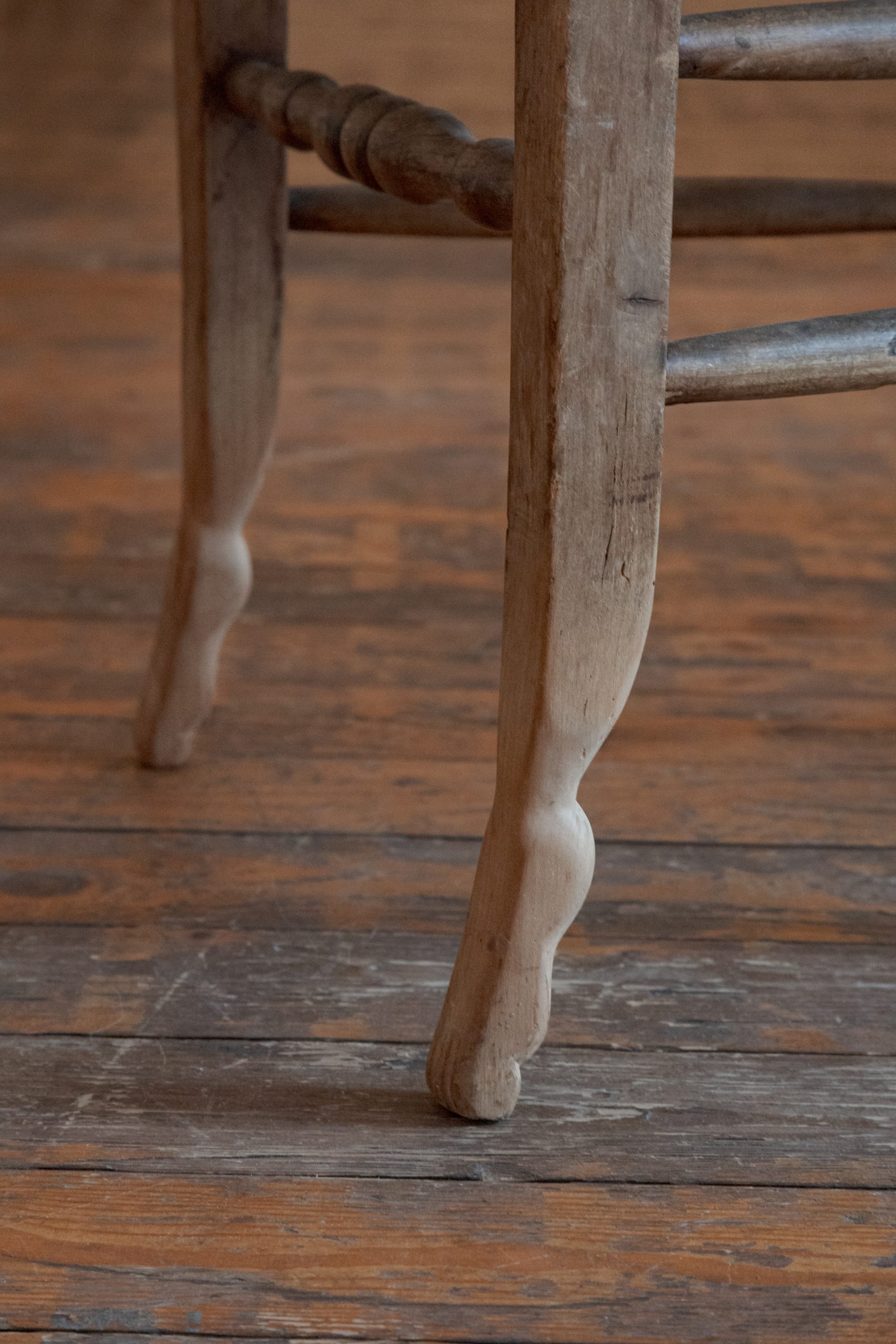
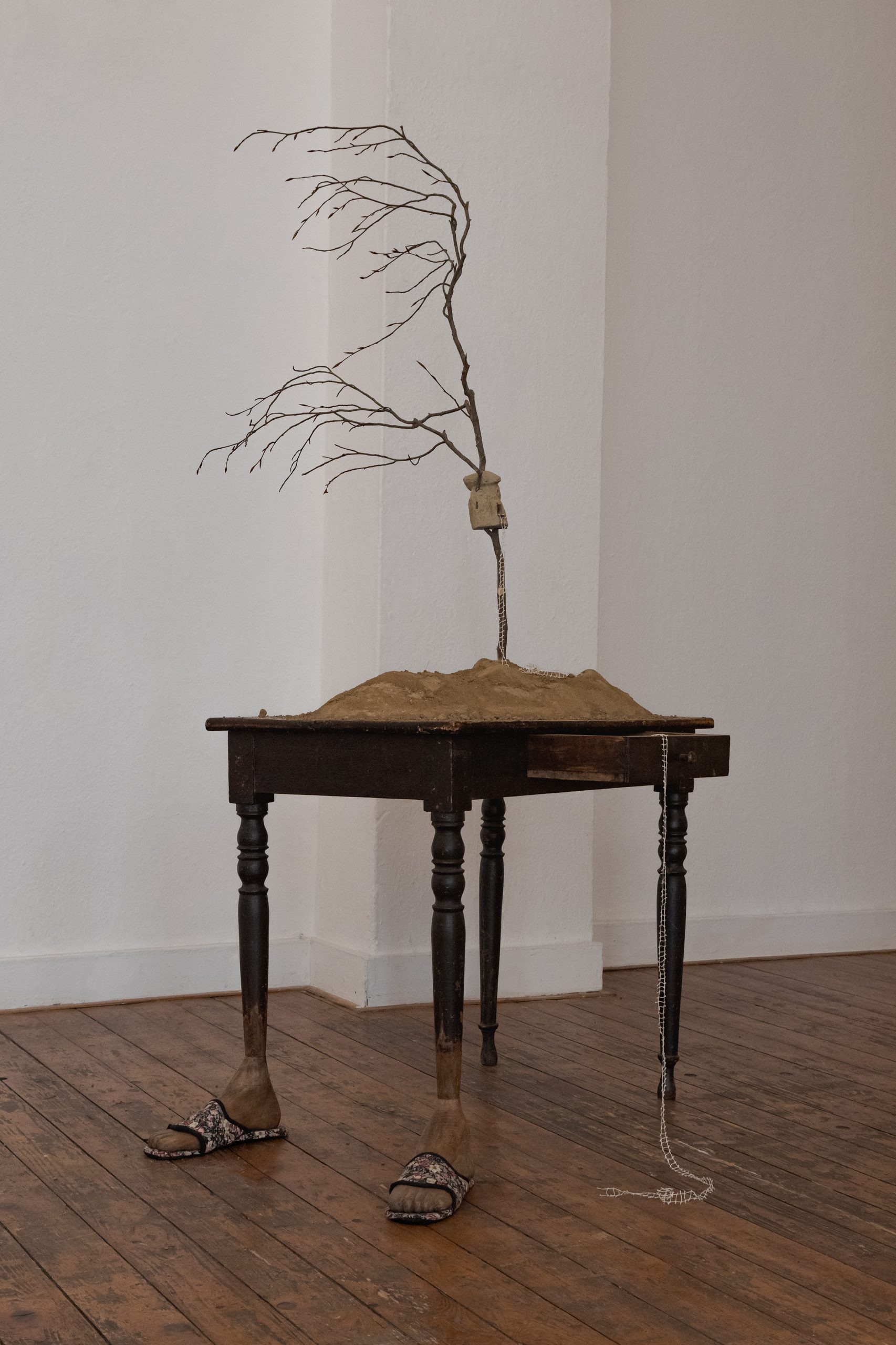
In his artistic practice, Elia Castino explores living environments and engages with an expanded notion of dwelling, decoupled from the physical boundaries and norms of a house. His inspiration is drawn from the northern Italian region of Piedmont, his home, its rural traditions, its region-specific vernacular architecture, and the geological character of the area. Craft and intellectual reflection interlock in his practice, placing materials such as wood, wool, and earth, as well as everyday objects and furniture, into new contexts.
In Silvan and the Cave, Elia Castino turns his attention to the circular relationships between nature and culture. He sets sedimentary deposits in relation to cultural products such as agricultural goods and ornamental reliefs while connecting religious practices with prehistoric dwellings. Castino’s engagement with the idea of cycles and reciprocal references is enriched by legends, stories, and profane as well as sacred rites.
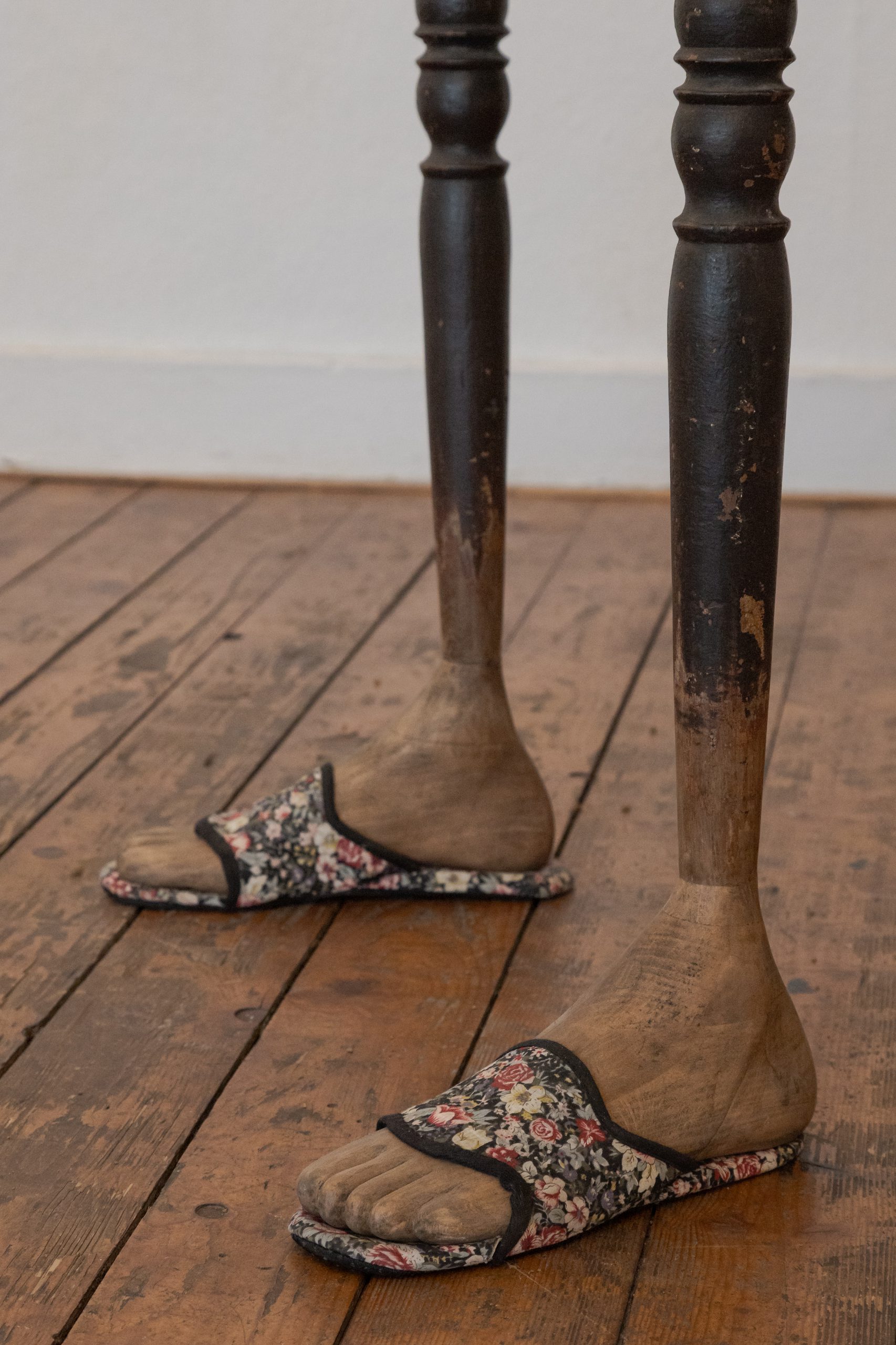
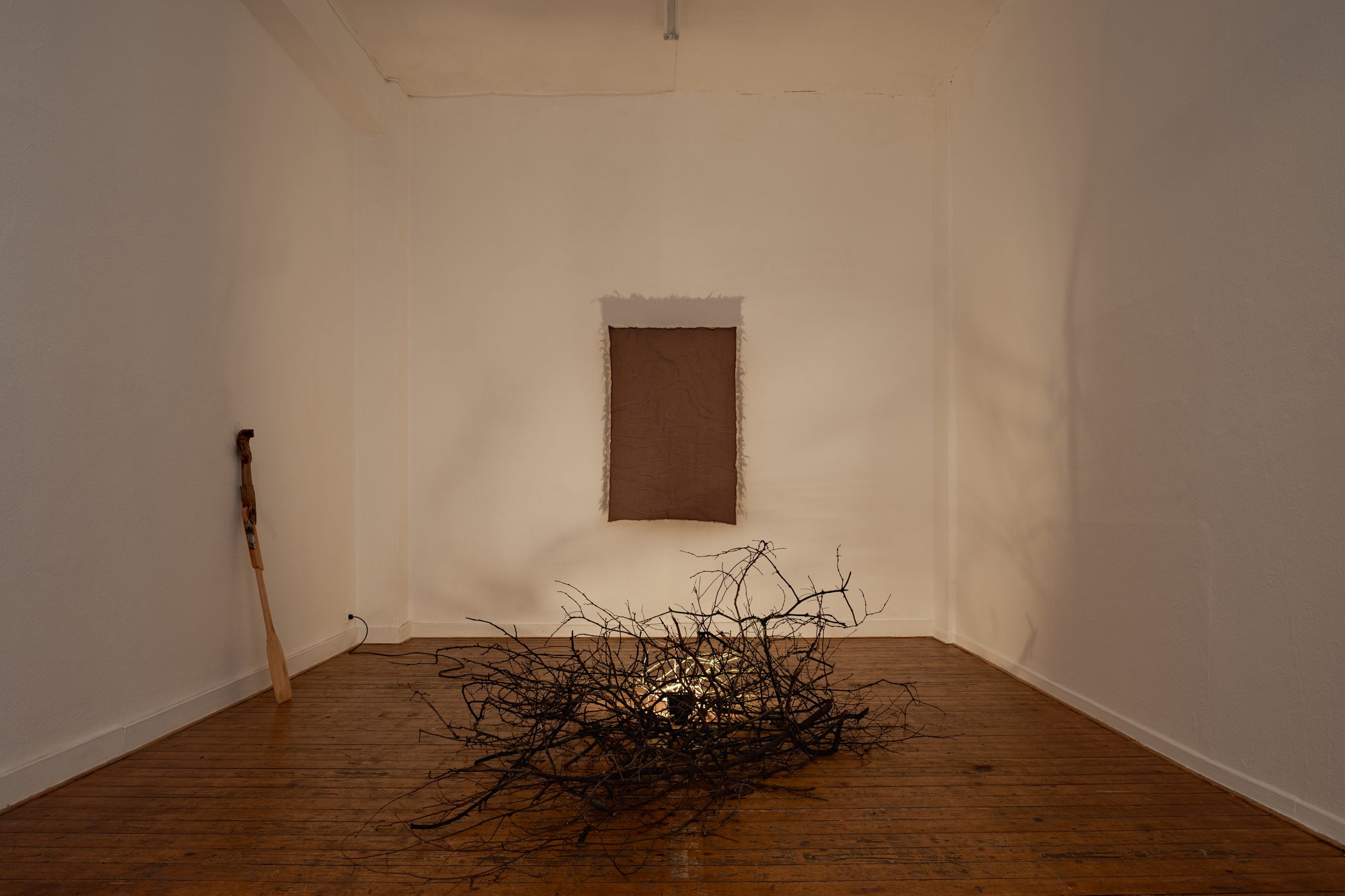
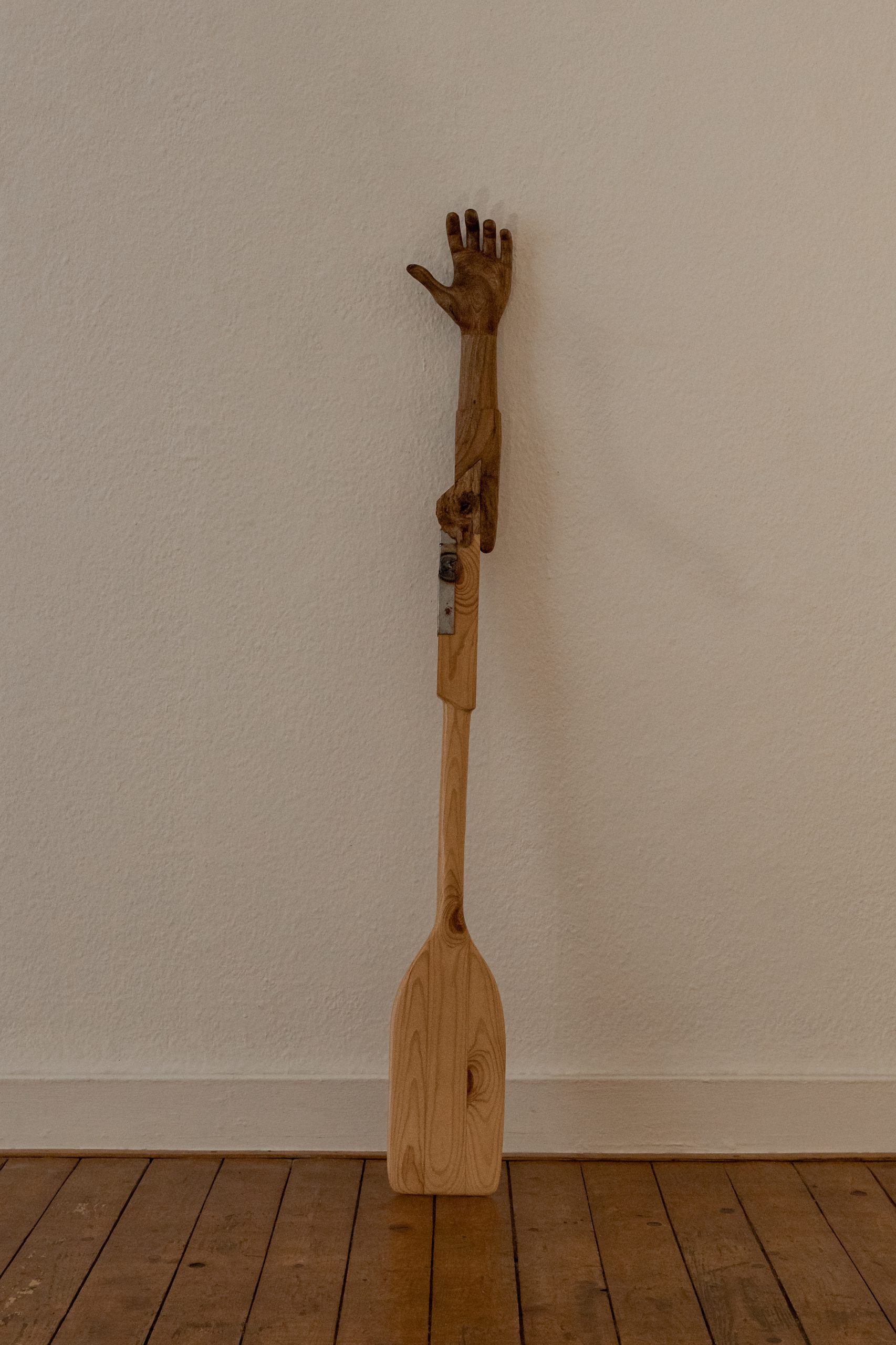
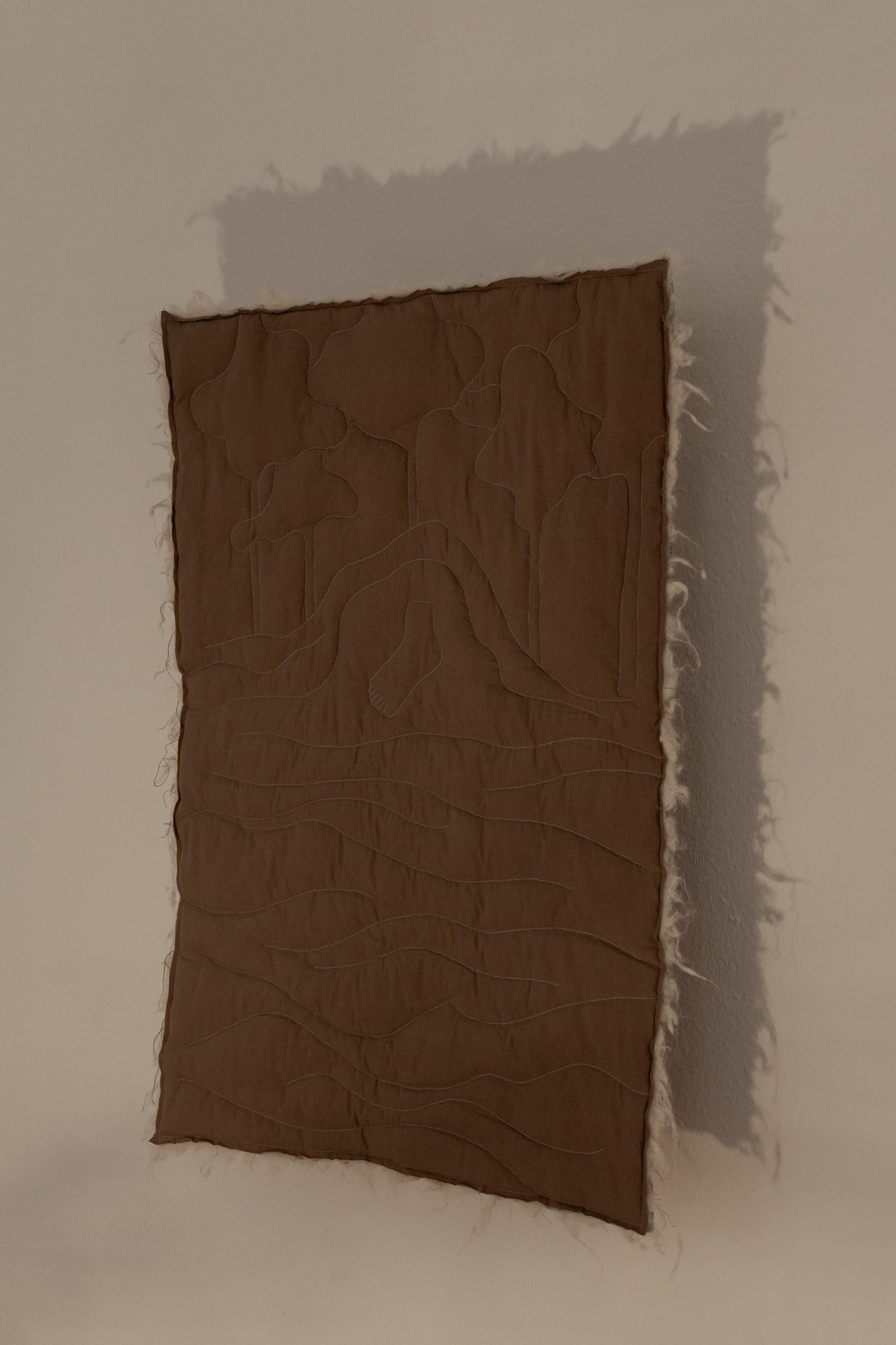
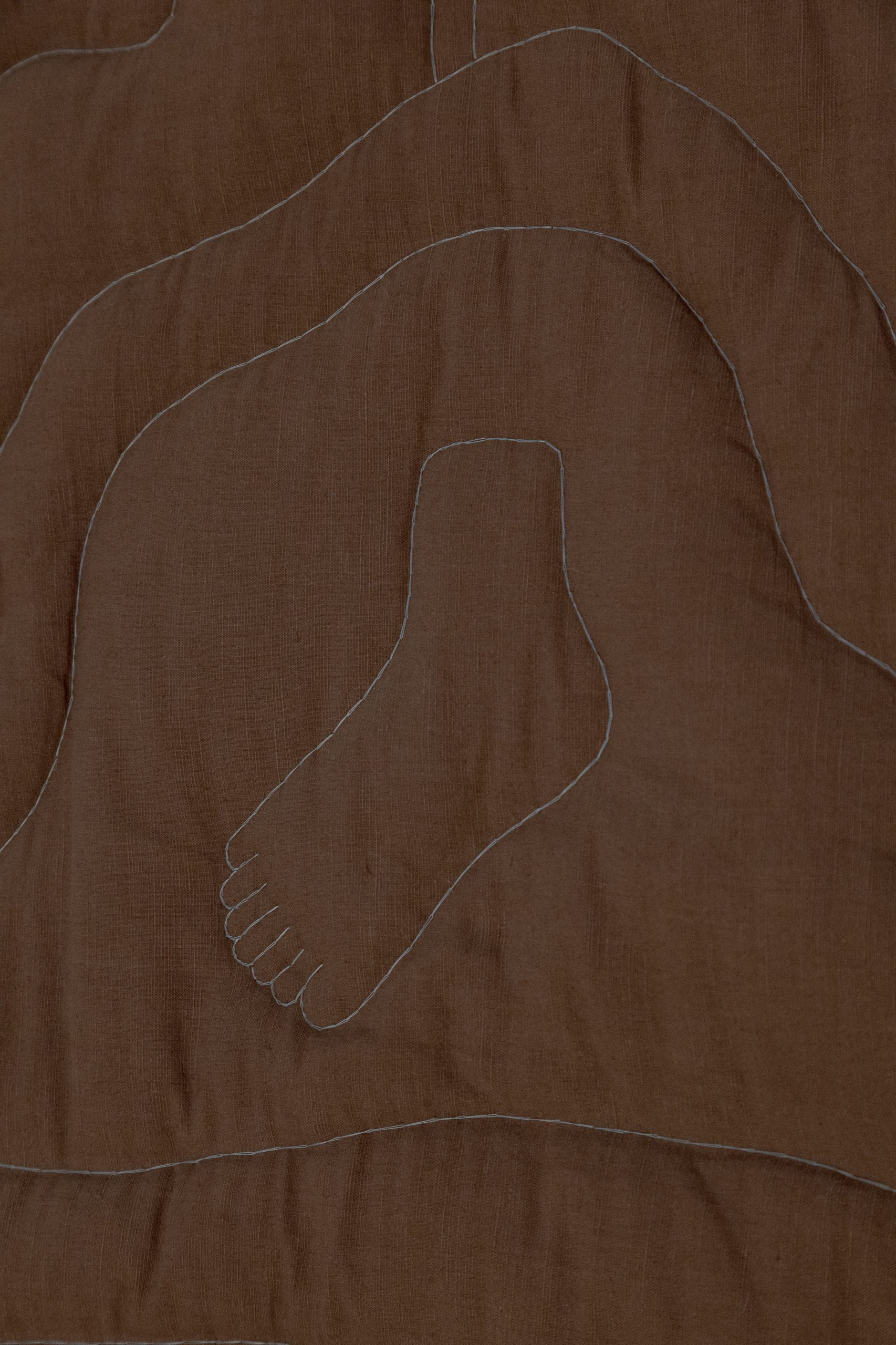
In Roman mythology, Silvanus is venerated as a god of the forest, as the god of rural worldviews and inventor of plant cultivation. In iconography he was depicted as a bearded hermit clad in animal hide and was considered the embodiment of the forces of nature and of growth. The artist adapts the god Silvanus as an archetype and transposes him into the figure of a donkey, a working animal and faithful companion of the rural classes. According to this narrative, Silvan the donkey brings together urban fabrics, regional identities, and the retrospective view on the interrelation of nature and culture. He leads us into a setting that is at once a homely and a mystical environment. Within it, the four elements fire, water, earth, and air are represented by furniture with human features, and the site-specific installation of a leaking water pipe becomes a metaphor for an indispensable building block of life, just as its dripping becomes an emblem for the rhythm of the present. Organic material is also taken up in the textile work which depicts sediments, waves, a stretch of woodland, and the eponymous cave. The foot at the centre points to a deeply personal attempt to understand a circular system of primordial origin and genesis.
With Silvan and the Cave, Elia Castino devises a poetic configuration of mythology, materiality, and memory that grasps nature and culture not as opposites but as a continuous cycle, while at the same time raising questions about origin, identity, and future forms of coexistence.
Elia Castino (b. 1992, IT) studied at the Sandberg Institute in Amsterdam in the Studio for Immediate Spaces, as well as at the Politecnico di Milano and UCA Canterbury. He has presented his work in various solo and group exhibitions, including the Border Buda project in Brussels (2025), the Green Corridor in Brussels (2023), Spazio Martín in Milan (2023), and RENEENEE in Amsterdam (2022). Elia Castino lives in a stilt house on a mud island, surrounded by a silvery shimmering river, between Brussels and the north-western Italian hinterland.
Venue
Moltkerei Werkstatt
Moltkestraße 8
50674 Cologne
Curated by Undine Rietz
Opening
May 9, 6 to 9 pm
Duration
May 10 to June 20, 2026
Opening hours
Sat & Sun, 3 to 6 pm
Programme
May 16, 4:30 pm
Curator’s tour with Undine Rietz
Design
George Popov
Photo
Juri Löchte
Funded by